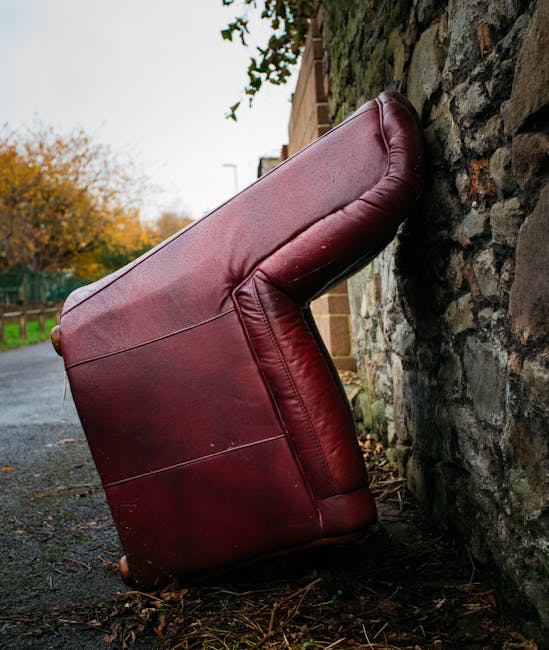
Disposing Bulky Furniture in Mayfair Without Council Fines
Trying to get rid of a sofa, wardrobe, bed frame, or dining set in Mayfair can look simple at first. Then reality kicks in: tight streets, limited loading space, building rules, landlord expectations, and the risk of doing the wrong thing at the wrong time. Disposing bulky furniture in Mayfair without council fines is not just about making things disappear. It is about doing it cleanly, safely, and in a way that avoids complaints, blocked pavements, and avoidable penalties.
If you live in a mansion block, manage a flat on a busy street, or are clearing a property between tenants, the challenge is usually the same. Furniture is awkward, heavy, and not always easy to move through shared hallways. On top of that, Mayfair is one of those places where a rushed decision can become an expensive one. This guide walks through the practical route: what counts as bulky furniture, how to arrange removal properly, what to avoid, and how to keep the whole process tidy and compliant.
Expert summary: the safest approach is to plan the collection, use a responsible removal or disposal route, keep common areas clear, and make sure nothing is left on the street without the right arrangement. Simple enough on paper. In real life, it takes a bit of care. Worth it though.
Table of Contents
- Why disposing bulky furniture in Mayfair without council fines matters
- How the process works in practice
- Key benefits and practical advantages
- Who this is for and when it makes sense
- Step-by-step guidance
- Expert tips for better results
- Common mistakes to avoid
- Tools, resources and recommendations
- Law, compliance, standards, and best practice
- Options, methods, and comparison table
- Case study or real-world example
- Practical checklist
- Conclusion
- Frequently asked questions
Why Disposing Bulky Furniture in Mayfair Without Council Fines Matters
Bulky furniture is not ordinary household waste. A sofa, mattress, chest of drawers, bookcase, or office desk usually needs more than a standard bin collection. In a busy central London area like Mayfair, the risk is not only clutter; it is obstruction, safety issues, and non-compliance if items are dumped in the wrong place or left out at the wrong time.
The fine risk usually comes from preventable mistakes. For example, leaving furniture on the pavement without permission, putting it outside too early, hiring an unlicensed operator, or causing an obstruction in a communal entrance. That last one sounds small until a porter, neighbour, or building manager has to work around it all day. Nobody enjoys dragging a sofa past a half-open lift door at 8 a.m. on a Tuesday. Actually, let's be honest, nobody enjoys moving a sofa at all.
For landlords, agents, and residents alike, the stakes are practical as much as financial. A poorly handled collection can lead to complaints, delays to a handover, damaged walls, and extra labour. A proper plan keeps everyone calmer.
Good bulky furniture disposal is not about speed alone. It is about timing, access, safety, and making sure the furniture goes to the right place without leaving a mess behind.
How Disposing Bulky Furniture in Mayfair Without Council Fines Works
The process is usually straightforward when you break it down. First, identify exactly what needs to go. Next, check access and timing. Then choose a disposal route that suits the item, the property, and the building rules. Finally, prepare the furniture so it can be removed without hassle.
In Mayfair, access is often the deciding factor. A third-floor flat with a narrow staircase is very different from a ground-floor property with a rear service entrance. Even if the furniture itself is not especially large, the route out can be the real problem. If the item has to be taken apart, that should happen before the collection day. If it has sharp edges or loose parts, it should be wrapped or secured.
Most people think about the furniture first. Fair enough. But the removal route matters just as much. You need to know whether the furniture is being reused, donated, recycled, or disposed of as waste. Different items need different handling, especially if they contain mixed materials, upholstery, metal frames, or electrical components.
For a smooth experience, many residents and property managers prefer a professional service that understands building access, loading restrictions, and waste handling requirements. If you are comparing providers, it helps to look at pricing and quotes early so you can match the method to the budget and the level of help you actually need.
Key Benefits and Practical Advantages
Done properly, bulky furniture removal saves more than time. It protects your property, reduces friction with neighbours, and lowers the chance of a messy or non-compliant disposal. That alone is worth it in a place where shared entrances and narrow roads make everything a bit more delicate.
- Less risk of fines or complaints: furniture is removed through an appropriate route instead of being left out informally.
- Better building relations: porters, concierges, and managing agents appreciate a tidy, planned collection.
- Cleaner handovers: ideal for end-of-tenancy clearances, refurbishments, and sale preparation.
- Safer movement: reduces the chance of injury, wall damage, or scratched floors.
- More responsible disposal: reusable items can be diverted from waste where appropriate.
There is also a quieter benefit that people sometimes miss: peace of mind. You know where the furniture is going, who is handling it, and that it will not be left half on the pavement after dark. That matters more than people admit.
Who This Is For and When It Makes Sense
This topic is relevant to a lot of people in Mayfair, not just one type of customer. The common thread is that bulky furniture is awkward, time-sensitive, and often tied to a property event.
Typical situations
- Residents moving home: especially when deadlines are tight and lifts or stairs complicate removal.
- Landlords and letting agents: clearing leftover furniture between tenancies.
- Homeowners refurbishing: replacing a sofa, bed, wardrobe, or dining set.
- Office managers: removing desks, chairs, and meeting-room furniture.
- Concierge and building managers: coordinating access without disrupting other residents.
It also makes sense if the items are too large for a car, too heavy for one person, or simply too much trouble to dismantle and transport yourself. Truth be told, many furniture pieces that seem manageable at first become a different story once you try to turn them in a stairwell.
If you need a company background before booking, you can learn more through the about us page, which helps build a bit of trust before you hand over the job.
Step-by-Step Guidance
Below is a practical sequence that works well in real properties. It is not glamorous, but it avoids the classic mistakes.
1. Identify every item clearly
Make a simple list. Include the type of furniture, approximate size, and whether anything needs dismantling. A "large sofa" is useful enough. "Three-seater corner sofa with fixed chaise" is better. The more precise you are, the easier the planning.
2. Check the property access
Look at stair width, lift size, doorway clearance, parking access, and any time restrictions from the building. In Mayfair, this step saves more trouble than people expect. If the item will not fit through the hallway without removing the legs or arms, deal with that in advance.
3. Decide what should happen to the furniture
Ask a practical question: is it reusable, recyclable, or just waste? Furniture in decent condition may be suitable for reuse or donation. Damaged items may need dismantling and recycling. Heavily worn or contaminated items will usually need disposal.
4. Choose a responsible removal option
For most people, the simplest route is to arrange a collection with a provider that understands bulky waste handling, access constraints, and safe loading. If you are comparing providers, make sure you understand what is included in the price, and whether there are extra charges for stairs, dismantling, parking, or very heavy items.
5. Prepare the furniture
Remove cushions, drawers, loose shelves, and detachable parts. Bag small fittings so they do not disappear into the back of a van or get left behind. If the item has glass, wrap it carefully. If there are nails, broken corners, or splinters, secure them.
6. Keep paths clear on the day
Make sure the route from the room to the exit is free of shoes, plants, prams, boxes, and other obstacles. It sounds obvious. Then collection day arrives, and somehow the hallway has become a storage unit.
7. Confirm handover and disposal route
After collection, check that the furniture has been taken as agreed. If you are using a professional operator, you should also feel comfortable that the item will be handled in line with their stated recycling and sustainability approach.
Expert Tips for Better Results
These are the small things that make the process smoother. They are not complicated, but they do add up.
- Book with access in mind, not just item count. One sofa on a tight staircase can take more effort than four smaller chairs on a ground floor.
- Photograph the furniture before collection. Handy for quoting, planning, and confirming condition.
- Measure doorways and lifts. A tape measure is boring. Also essential.
- Separate reusable from unusable items. It helps decide the best route and can reduce waste.
- Plan around building traffic. Early morning or quieter windows are often easier in shared properties.
- Ask how waste is handled. Responsible operators should be able to explain their process clearly.
One thing we see repeatedly is people underestimating corners and turns. Straight hallway? Fine. Tight L-shape near the lift? Suddenly the sofa has opinions.
Another useful habit: keep a small bag for screws, brackets, or bolts if the furniture is being dismantled. Little bits have a talent for vanishing when you least need that drama.
Common Mistakes to Avoid
Most problems are caused by trying to save time in the wrong place. That is the honest version.
- Leaving furniture on the street too early: this can create an obstruction and may trigger complaints or penalties.
- Assuming "someone will take it": unofficial dumping is risky and rarely ends well.
- Using the wrong collection method: not every item is suitable for a quick curbside pickup.
- Ignoring building rules: some properties have specific move-out windows, lift booking systems, or protective requirements.
- Failing to protect common areas: scuffed walls and damaged floors can be more expensive than the disposal itself.
- Choosing purely on price: the cheapest option can become the expensive one if it is poorly organised.
To be fair, everyone is tempted to take shortcuts when they are tired and staring at a heavy wardrobe. But shortcuts with bulky furniture usually create bigger problems later. That is just how it goes.
Tools, Resources and Recommendations
You do not need a huge toolkit, but a few practical items make a real difference.
| Item | Why it helps | Best used for |
|---|---|---|
| Measuring tape | Checks doorways, lifts, and stair clearance | Planning before collection day |
| Protective blankets or covers | Reduces scuffs and corner damage | Shared hallways and tight turns |
| Strong tape or straps | Keeps drawers, doors, and loose parts secure | Wardrobes, cabinets, shelving |
| Marker pens and bags | Helps label bolts, fittings, and parts | Dismantled furniture |
| Photos on your phone | Useful for quotes and access checks | Initial assessment |
From a service perspective, the most useful pages to review before booking are usually insurance and safety, health and safety policy, and terms and conditions. They help you understand what the operator is responsible for, what you are responsible for, and how the job is expected to run.
If you want to check practical support or book a collection, the contact page is the best place to start. And if you are comparing costs, keep the pricing and quotes information open while you decide. Saves a bit of back-and-forth.
Law, Compliance, Standards, or Best Practice
This part matters because bulky furniture disposal is not only a logistics issue. It can touch on waste duty of care, local property rules, access arrangements, and safety. The exact obligations will depend on the property, the nature of the item, and how the removal is arranged.
As a general rule in the UK, you should avoid leaving bulky items in a way that creates an obstruction or transfers responsibility to someone else without agreement. In communal or managed buildings, follow the rules set by the landlord, managing agent, or building staff. If a collection needs to happen through a service entrance, loading bay, or specific time window, respect that. It is much easier to do it once properly than to explain why the lobby now looks like a furniture graveyard.
Best practice usually includes:
- using a provider that can explain how the item will be handled after collection
- ensuring safe handling to reduce injury and property damage
- keeping items off public land unless a proper arrangement allows it
- checking whether items can be reused, recycled, or need disposal
- making sure any paperwork, quotes, or terms are clear before the job starts
For readers who value accountability, it is also sensible to review company policies relating to privacy, payment and security, and the company's general business background. None of that is exciting. It is just the sort of boring detail that usually saves headaches later.
Options, Methods, and Comparison Table
There is no single right answer for every furniture item. The best method depends on size, condition, access, and timing. Here is a simple comparison to help narrow it down.
| Method | Best for | Pros | Watch-outs |
|---|---|---|---|
| Professional collection | Large or heavy furniture, tight access, time-sensitive moves | Convenient, safer, less disruption | Cost can vary depending on access and volume |
| Reuse or donation route | Good-condition items | May extend the life of the furniture | Not all items are suitable; collection timing may be less flexible |
| Self-removal to a disposal point | Smaller loads with suitable transport | Can feel direct and controlled | Manual handling, parking, and loading can be awkward in Mayfair |
| Building-arranged collection | Managed properties with set procedures | Useful if the building already has a process | Must follow the schedule and any site rules carefully |
If the furniture is awkward, oversized, or heavy, professional collection is usually the least stressful route. If the item is still in good condition, reuse can be worth exploring. The key thing is not to force one method on every job just because it sounds cheapest.
Case Study or Real-World Example
A fairly typical Mayfair scenario goes like this: a two-bedroom flat is being prepared for a new tenant, and the old sofa, coffee table, and wardrobe need to go. The building has a shared entrance, a lift that is not especially roomy, and a narrow service corridor. Nothing dramatic, just one of those properties where everything takes a little longer than expected.
The first step was to measure the wardrobe and confirm it would not fit through the lift intact. It was dismantled the day before. Small fixings were bagged and labelled. The sofa, meanwhile, was wrapped at the corners to protect the hallway. The collection was booked for a quieter time window, and the route to the exit was kept clear. No drama, no wall marks, no last-minute scramble.
What made the difference was not cleverness. It was preparation. The furniture was removed in one visit, the building manager had been informed, and the disposal route had been agreed in advance. The whole thing felt almost uneventful, which is exactly what you want. A little boring is good in this line of work.
Practical Checklist
Use this before collection day if you want to keep things smooth and avoid avoidable issues.
- List every bulky item to be removed.
- Measure doorways, stairs, and lift access.
- Check if any item needs dismantling.
- Remove loose parts, cushions, drawers, and fittings.
- Protect floors, walls, and corners where needed.
- Confirm building rules or time restrictions.
- Choose the disposal route that suits the item.
- Ask about pricing, access charges, and what is included.
- Keep the collection route clear.
- Verify the company's safety and disposal policies before booking.
Quick reminder: the cleanest solution is usually the one that is planned two days earlier than you think you need it.
Conclusion
Disposing bulky furniture in Mayfair without council fines is mainly about being organised, respectful of the building, and careful about where items are placed and how they are moved. Once you remove the guesswork, the process becomes much simpler. Measure first. Book properly. Prepare the route. Follow the building rules. And choose a disposal method that matches the item rather than forcing the item to fit a bad plan.
The good news is that this does not need to be stressful. With the right preparation, bulky furniture can be removed cleanly, safely, and without leaving a mess behind for someone else to deal with. That is the standard worth aiming for.
Get a free quote today and see how much you can save.
If you want to continue, the most useful next step is to review the company's recycling and sustainability approach and then send your item details for a quote. It is a small bit of admin that can save you a lot of hassle later.
Frequently Asked Questions
What counts as bulky furniture?
Bulky furniture usually means items that are too large, heavy, or awkward for normal bin collection. Sofas, wardrobes, beds, mattresses, tables, and office desks are common examples.
Can I leave furniture outside my property in Mayfair for collection?
Only if the arrangement allows it and it does not create an obstruction. In many cases, leaving items on the street without a proper plan is exactly what causes fines or complaints.
How do I avoid council fines when disposing of furniture?
Use a proper collection route, follow building rules, avoid blocking pavements or entrances, and do not place items out early. The simplest answer is usually the safest one.
Do I need to dismantle furniture before removal?
Not always, but it often helps. If access is tight, dismantling can prevent damage and make the job much easier. Wardrobes and large beds are common candidates.
Is it better to reuse, recycle, or dispose of furniture?
If the item is still in good condition, reuse is often the best first option. If it is damaged but recyclable, that may be better than disposal. If it is no longer safe or usable, disposal may be the only practical route.
What should I ask before booking a furniture collection?
Ask what is included, whether stairs or dismantling cost extra, how the furniture will be handled, and whether the company has clear safety and insurance information.
Can a removal company take furniture from a flat with no lift?
Yes, many can, but access needs to be checked in advance. A stair-only property is perfectly manageable if the team knows what to expect.
How early should I book bulky furniture removal?
As early as you can, especially if you have a move-out date or building time slot. Leaving it late can make access, pricing, and scheduling more difficult.
What if my furniture is too heavy for me to move safely?
Do not force it. Heavy lifting can damage floors, walls, and backs, and none of those are fun to repair. Use a suitable removal option instead.
Does a professional removal service help with recycling?
Often, yes. A responsible operator should be able to explain whether items are reused, recycled, or disposed of and how that process is managed.
How can I compare quotes fairly?
Look at what is included, not just the headline price. Access, stairs, item type, dismantling, and disposal handling can all affect the final cost.
What is the safest way to prepare furniture for collection?
Clear the route, remove loose parts, secure drawers or doors, protect corners if needed, and make sure the collection point is ready before the team arrives.
If you still have questions about your specific furniture or building access, it is usually best to speak directly with the provider through the contact page. A quick conversation now can save a surprisingly large headache on the day.