Health and Safety Policy for Removal Van Mayfair
 Health and safety is central to every removal van operation, especially when moving household or business items with care, efficiency, and respect for people and property. This policy sets out the standards expected from our team when carrying out a Mayfair removal van service, with a clear focus on preventing injury, reducing risk, and maintaining a safe working environment at all times. It applies to all staff, vehicles, equipment, and work practices involved in the loading, transport, and unloading of goods.
Our commitment is to create a workplace where hazards are identified early and controlled properly. Whether the task involves furniture, boxes, specialist items, or fragile belongings, every stage of the moving process must be planned with safety in mind. A removal van in Mayfair must never be operated in a way that compromises the wellbeing of staff, clients, or members of the public. We expect all personnel to follow safe procedures, report risks immediately, and remain alert throughout each job.
All team members must use suitable personal protective equipment where required, including gloves, high-visibility clothing, and protective footwear. Equipment should be inspected before use to ensure it is in good working condition. If any lifting aids, straps, trolleys, or vehicle fixtures appear damaged, they must be removed from service until checked. In addition, all staff are expected to keep work areas tidy, avoid unnecessary clutter, and maintain clear access routes to support safer movement of items.
Responsibilities and Safe Working Practices
Managers are responsible for making sure that risk assessments are completed for each removal task and that control measures are put in place before work begins. This includes checking access points, stairs, narrow corridors, parking arrangements, lighting, and any other conditions that may affect safety. For every removal van service, supervisors must make sure the correct number of staff is assigned so that lifting and carrying can be done safely and without excessive strain.Employees must take reasonable care of their own safety and the safety of others. They should not attempt to lift loads that are too heavy or awkward without assistance. Proper manual handling techniques must always be used: bend the knees, keep the back straight, hold loads close to the body, and avoid twisting while carrying. Where items are large or difficult to handle, team lifting or mechanical aids should be used instead of forcing a single person to manage the task.
 Vehicles used for moving operations must be maintained in a roadworthy condition and loaded in a stable, balanced way. Loads should be secured to prevent shifting during transit. Drivers must check mirrors, lights, tyres, and braking performance before travelling. They should also make sure that the cab and loading area are free from loose objects that could create a hazard. Safe driving behaviour, including adherence to speed limits and rest breaks, is expected from everyone operating a van on behalf of the business.
Risk Management During Removals
Because every property presents different challenges, our approach to risk management is flexible but consistent. Before any removal van job begins, the team should consider trip hazards, sharp edges, unstable items, poor weather, and restricted spaces. When moving items through shared entrances or communal areas, extra care must be taken to avoid striking walls, doors, or bystanders. A Mayfair removal service must be carried out in a way that limits disruption while keeping safe conduct as the highest priority.Handling Hazards and Emergency Response
Some objects require additional precautions due to weight, shape, fragility, or value. Glass, mirrors, electronics, and appliances should be wrapped and packed securely before loading. Hazardous materials, if identified, must be handled according to the relevant safety requirements and never transported in an unsafe manner. Staff should also remain aware of fire risks, especially when loading items near vehicle engines, electrical equipment, or combustible materials.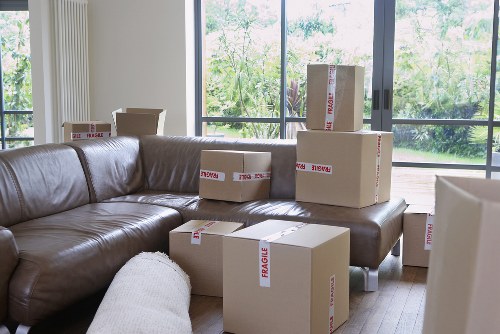 If an accident, near miss, or injury occurs, work must stop where necessary and the incident should be reported immediately. First aid should be provided by a competent person if required, and emergency services contacted when appropriate. All incidents must be recorded so that causes can be reviewed and future risks reduced. This process helps strengthen the safety standards of every removal van Mayfair operation and supports continuous improvement across the business.
Training, Communication, and Housekeeping
Training plays a vital role in maintaining safe performance. All workers must receive instruction on manual handling, vehicle safety, use of equipment, and emergency procedures. Refresher training should be offered regularly to reinforce best practice and address any changes in process. Clear communication between team members is equally important, particularly when lifting bulky furniture, navigating staircases, or coordinating the movement of multiple items.Good housekeeping is essential during every stage of the job. Packing materials, tools, and wrappers should be stored neatly and cleared away once no longer needed. Floors must remain free from spills, trailing straps, and loose debris. A tidy working area lowers the risk of slips and trips and helps the team work more efficiently. In a busy removal van operation, attention to order and cleanliness makes a significant difference to safety outcomes.
Where weather conditions affect the work, additional care is required. Rain, ice, wind, and low light can create hazardous conditions for loading and unloading. Staff should adapt their pace, use suitable footwear, and protect items from damage or moisture. If conditions become too dangerous, operations may need to be paused until it is safe to continue. Safety must always take precedence over speed or convenience.
Monitoring and Review
This policy will be reviewed regularly to ensure it remains effective and relevant. Any changes in legislation, working methods, vehicle use, or equipment must be reflected in updated safety procedures. Feedback from inspections, audits, and incident reports should be used to improve standards and reduce repeat risks. Every Mayfair removal van task should therefore be treated as an opportunity to reinforce safer practice and stronger accountability. Managers are expected to monitor compliance and address unsafe behaviour promptly. Repeated failures to follow safety rules may result in corrective action, as negligence can place people and property at risk. At the same time, staff are encouraged to raise concerns without delay whenever they notice something unsafe, unclear, or unsuitable for continued use. Open communication helps create a more reliable and responsible safety culture.
Our policy is based on the belief that every move can be completed safely when planning, training, and attention to detail are combined. By keeping vehicles well maintained, using correct lifting methods, and managing hazards carefully, we protect both people and possessions. Safety is not an extra step; it is part of the service itself.