Parking suspensions and removal permits in Mayfair (W1/W1K)
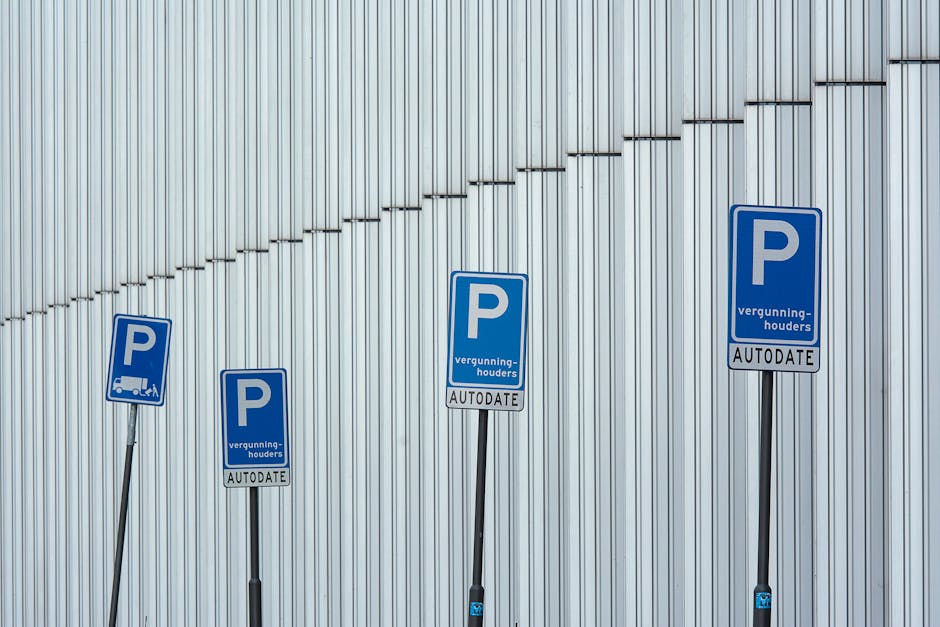
Trying to move in Mayfair can feel like threading a needle in a morning rush. Streets are tight, access is often limited, and the last thing anyone wants is a van circling the block while neighbours are already wondering what's going on. That's exactly why parking suspensions and removal permits in Mayfair (W1/W1K) matter so much. Get them right, and your move feels organised, calmer, and far less stressful. Get them wrong, and you can end up with delays, awkward knock-on costs, or a van that simply has nowhere sensible to stop.
This guide explains what parking suspensions and removal permits are, how they usually work in central London, who needs them, and how to plan a move without the usual last-minute scramble. If you're arranging a home move, a flat move, or a commercial relocation, the practical details here will help you make better decisions and avoid the common traps. A little planning goes a long way here, honestly.
Why Parking suspensions and removal permits in Mayfair (W1/W1K) Matters
Mayfair is one of those areas where the geography itself becomes part of the job. Elegant terraces, mansion blocks, hotel traffic, loading restrictions, controlled parking zones, and narrow carriageways all combine to make ordinary loading and unloading feel a bit more delicate than elsewhere in London. If you're moving a few boxes from a small flat, or coordinating a full household removal, parking is rarely a side issue. It is often the issue.
Parking suspensions and removal permits in Mayfair (W1/W1K) matter because they help create a legal, usable space for a removal vehicle to stop, load, and unload. In practical terms, that can mean the difference between a clean handover and a move that drags on because the crew has to carry furniture from half a street away. Nobody enjoys that. Not you, not the movers, not the people waiting to get past with a pram or a taxi pickup.
In central London, street space is scarce and highly managed. A permit or suspension does not guarantee a wide-open bay with no interruptions, but it does reduce avoidable friction. For removals, that's huge. It helps protect the timetable, keeps the process safer, and lowers the chance of tickets or enforcement issues. Truth be told, most moving stress in Mayfair starts before the first box is lifted: it starts with parking.
Expert summary: If your vehicle needs to stop close to the property in W1 or W1K, parking arrangements are not an optional extra. They are a core part of the move plan, especially for house removals, office relocations, or anything involving bulky furniture.
That's also why well-run removals companies treat parking as part of the logistics rather than a last-minute admin task. If you're comparing providers, it's worth asking how they handle access planning, timing, and vehicle positioning. Services such as home moves, flat removals, and office removals all depend on good curbside planning in areas like Mayfair.
How Parking suspensions and removal permits in Mayfair (W1/W1K) Works
At a high level, the process is straightforward: you identify the vehicle access you'll need, check whether that space is already restricted, and then arrange the necessary permission in advance. In practice, though, there are a few layers. You may need to think about loading bay availability, waiting restrictions, resident bays, yellow lines, private forecourts, or temporary suspension of a parking space. Depending on the location and timing, different permissions may apply.
A removal permit is usually tied to the vehicle and the activity. It is commonly used to show that a van or removal truck is there for a legitimate loading or unloading purpose. A parking suspension is different: it typically reserves or removes access from a specific bay or section of street parking for a defined period. That can be especially useful where a vehicle needs more time, a larger footprint, or a guaranteed stopping point.
Mayfair has its own rhythm. Midweek can be busy with deliveries and business traffic, while evenings may bring restaurant and hotel movement. There's also the fact that a move rarely happens in a vacuum. If a lift is slow, if the property is up a flight of stairs, or if a piano is involved, every minute at the kerb becomes more valuable. A suspended bay can save a lot of unnecessary carrying. And yes, it can save a few sighs too.
For larger jobs, teams sometimes coordinate the permit with the vehicle type. A smaller man and van arrangement may need a different access strategy from a bigger moving truck or removal truck hire. That's why it helps to map the move properly rather than assume one parking arrangement suits every job.
It is also worth checking what kind of time window is realistic. Some moves only need a short loading period. Others need a longer block because furniture is awkward, access is shared, or the building has strict concierge or lift rules. If you're moving from a top-floor flat, for example, you may find that the vehicle itself is only one part of the puzzle.
Key Benefits and Practical Advantages
The biggest benefit is simple: better access. But there's more to it than that. When parking is properly arranged, the whole move usually feels smoother, faster, and less exposed to luck. That matters in Mayfair because luck is not a reliable moving strategy.
- Shorter carrying distances: Boxes, sofas, wardrobes, and appliances can be moved more efficiently.
- Less disruption to the schedule: The crew can work more to plan, rather than waiting for a space.
- Lower risk of damage: Long carries increase the chance of scrapes, bumps, and tired mistakes.
- Reduced enforcement risk: Proper permissions help avoid avoidable parking issues.
- Better customer experience: The move feels more organised and a lot less chaotic.
For business relocations, the upside is even more noticeable. A coordinated parking arrangement can reduce interruption to staff, reception areas, and building management. That matters in a prestige area where appearances, access, and timing all carry weight. A late van arriving to unload outside a busy office building is not just inconvenient; it can create avoidable friction with neighbours, porters, and building teams.
There is also a safety angle. When a van can stop close to the entrance, movers spend less time carrying heavy items across uneven pavement or around parked cars. That helps support safer handling, especially for awkward or fragile items. If you're moving specialist items, such as antiques or a piano, parking planning becomes part of the risk management, not just the logistics. You can see the same principle in services like piano removals and furniture removals.
Who This Is For and When It Makes Sense
Parking suspensions and removal permits in Mayfair (W1/W1K) are relevant to anyone planning a move where a vehicle needs reliable close access. That sounds broad because it is broad. The exact need varies, but the underlying problem is usually the same: how do you legally and efficiently get a vehicle near the property?
Typical situations include:
- House moves from a townhouse or mews property
- Flat removals from mansion blocks or upper-floor apartments
- Office relocations with timed loading windows
- Student moves with a small number of items but tight access
- Furniture collection or disposal where loading needs to happen quickly
- Same-day or short-notice removals where access is already constrained
If you're only moving a few bags and a suitcase, you may not need a formal suspension. But if the vehicle needs to stay put for a while, or if the road is regularly busy, it is usually wise to check. The same goes for shared entrances, basement flats, service roads, and properties with very limited frontage. In Mayfair, those situations come up more often than people expect.
Commercial moves are a category of their own. A company relocating desks, monitors, archived files, and furniture may need an access plan that supports both loading and temporary staging. That is where a service like commercial moves or office relocation services can be especially helpful, because it is not just about moving items out; it is about keeping the day under control.
If you're unsure whether your move qualifies as "simple" or "needs proper parking control," a good rule of thumb is this: if you are relying on the van stopping directly outside, plan for the permit rather than hoping for the best. Hope is not a parking strategy. Sadly.
Step-by-Step Guidance
Here is the cleanest way to approach parking suspensions and removal permits in Mayfair (W1/W1K) without turning the process into a headache.
- Assess the access first. Check whether the property frontage can take a van, whether there are yellow lines, resident bays, loading bays, or any physical barriers. Look at the street with a realistic moving vehicle in mind, not just as a pedestrian.
- Work out the vehicle size. A compact van, a standard removal van, and a larger truck all create different parking needs. If you are using a removal van or bigger vehicle, note the width, length, and how much time the crew will need at the kerb.
- Estimate the loading window. Be honest. If you think the job will take 30 minutes, but there are stairs, lifts, and a sofa that needs three attempts to turn, build in more time.
- Confirm what permission is needed. A permit, a bay suspension, or another access arrangement may be appropriate depending on the street and timing. For many moves, especially in central London, it is safer to plan early rather than improvise.
- Coordinate timing with the building. Check lift access, concierge hours, delivery rules, and any restrictions on weekends or evenings. In Mayfair, building rules can be as important as street rules.
- Book the removals service around the access plan. Don't treat parking as separate from the move. Make sure the crew knows where they are stopping, how long they have, and whether they need to stage items.
- Prepare the property. Clear hallways, label boxes, protect floors, and keep keys, paperwork, and building contact details close to hand. Good preparation makes the parking arrangement actually pay off.
- Allow a buffer. Unexpected delays happen. Another vehicle may be in the bay, the lift might run slow, or the weather may decide to be awkward. Give yourself margin.
One small but important point: if you are arranging a full household move, combine the parking plan with packing and staging. Services like packing and boxes and packing and unpacking services can cut the time spent at the vehicle, which is exactly where parking permissions matter most.
It is often the tiny details that decide whether a move feels smooth or scrambled. The box tape, the lift booking, the parking slot, the kettle in the right place. All of it.
Expert Tips for Better Results
After enough moves in central London, a few patterns become obvious. These are the practical habits that tend to make the biggest difference.
- Start parking planning earlier than you think. In Mayfair, "last minute" often means "too late."
- Measure the realities, not the assumptions. Stair width, road width, and the turning circle of the vehicle all matter.
- Keep the parking note visible to the team. The driver, foreman, and building contact should all know the plan.
- Use the right vehicle for the job. A smaller vehicle can be easier to place, but may mean more trips. A larger vehicle can reduce trips but needs more room.
- Plan for lift and access bottlenecks. A bay outside the property is brilliant, unless the lift is only available every few minutes.
- Match the service to the move type. A small flat move, a house move, and an office relocation all have different parking pressure points.
If you are dealing with a compact move and want flexibility, a man with van or man with a van setup can be useful. For larger, more structured jobs, the benefit of a bigger moving vehicle and a clearer parking arrangement may outweigh the convenience of a smaller van.
There is also a trust issue here. Good movers talk about parking before they talk about boxes. That is a reassuring sign, not an annoying one. It means they understand how the day actually works on the ground. In our experience, that kind of thinking saves everybody time. And a bit of sanity, too.
Common Mistakes to Avoid
Most problems around parking suspensions and removal permits in Mayfair (W1/W1K) are preventable. The mistakes tend to be familiar, which is both annoying and useful: if you know them, you can sidestep them.
- Leaving parking arrangements until the week of the move. This is probably the most common issue and, frankly, the most avoidable.
- Assuming the same rules apply everywhere. One street in W1 is not the same as the next. Details matter.
- Underestimating the time required. A move that looks small on paper can take much longer in practice.
- Choosing a vehicle without checking access. A vehicle that is too large for the street can create serious delays.
- Not briefing the movers properly. If the crew does not know where to stop or how long the bay is secured for, things can unravel fast.
- Forgetting building rules. Street permission alone may not be enough if the property management has separate requirements.
Another surprisingly common problem is overpacking the day. People try to move, hand back keys, meet contractors, and arrange parking all at once. It sounds efficient. It is not. Better to sequence the day properly and let the parking arrangement support the move rather than dominate it.
If you are clearing out items as part of the move, it may also help to think ahead about disposal and storage. Pages such as storage and furniture pick-up can be relevant when the schedule is tight and the new place is not fully ready yet.
Tools, Resources and Recommendations
You do not need fancy tools to manage parking arrangements well. What you need is a sensible process and the right information in one place. A little admin can save a lot of running around on moving day.
- Site notes: Keep a written summary of the street, entrance, bay type, vehicle size, and loading window.
- Photos: A few quick photos of the frontage can help the removals team understand the access before arrival.
- Floor plans or building instructions: Useful for office moves, blocks of flats, and properties with service entrances.
- Contact details: Have the building manager, concierge, or resident contact handy if access needs to be unlocked or confirmed.
- Move-day timetable: Even a simple time plan helps prevent parking permissions from sitting idle while everyone waits for something else.
It also helps to use a provider that explains its process clearly. If you are comparing quotes, take a look at pricing and quotes so you can understand what is included, what is excluded, and whether parking support or access planning is part of the service. Clear pricing is often a good sign of an organised operation.
For customers who want a broader overview of service quality, about us, insurance and safety, and health and safety policy are also worth reading. They help you judge whether the company takes practical responsibilities seriously, which matters when you are dealing with vehicles, property access, and heavy items in a busy area.
Law, Compliance, Standards, or Best Practice
Parking suspensions and removal permits in Mayfair (W1/W1K) sit within the wider framework of local parking control, property access, and operational safety. The exact process can vary by street, bay type, and timing, so it is important not to assume a one-size-fits-all rule. In London, parking and loading restrictions are tightly managed, and enforcement can be active. That means good planning is not just polite; it is sensible business practice.
Best practice usually includes the following:
- Confirming the need for a suspension or permit before the move date
- Matching the arrangement to the actual vehicle and job duration
- Coordinating with building management where relevant
- Keeping evidence of the booking, move window, and access instructions
- Using trained movers who understand safe loading and kerbside handling
If you are moving commercial equipment, there may also be workplace considerations around safe lifting, protecting shared areas, and not blocking emergency routes. These are not just technicalities. They are part of a responsible move.
From a customer standpoint, the most useful rule is simple: if the move relies on stopping close to the property, treat parking as a required task, not a hopeful extra. That applies whether you are moving a small flat, a family home, or a business suite. It is one of those things that seems minor right up until it goes wrong.
Options, Methods, or Comparison Table
If you are trying to decide what access approach makes the most sense, it helps to compare the common options side by side. The right answer depends on street conditions, vehicle size, and how long the move will take.
| Option | Best for | Pros | Watch-outs |
|---|---|---|---|
| Standard removal permit | General loading and unloading | Simple, flexible, good for routine moves | May not solve a tight parking situation on its own |
| Parking suspension | Reserved access to a specific bay or stretch of road | Creates more predictable stopping space | Needs forward planning and exact timing |
| Small van with quick turn-around | Light moves and short loading periods | Easier to place, less intrusive | May require more trips if volume is underestimated |
| Larger removal vehicle | Full moves, bulky furniture, office jobs | Can reduce trips and improve efficiency | Needs more space and stronger parking planning |
| Storage-first approach | Moves split over more than one day | Useful when the new property is not ready yet | Requires extra coordination and timing discipline |
For many people, the right solution is a combination rather than a single tactic. For example, a flat move might use a permitted van stop, a short loading window, and a storage back-up in case the new property is not ready. That's practical. Not glamorous, but practical.
Case Study or Real-World Example
Here is a realistic scenario. A couple is moving from a first-floor Mayfair flat into a nearby home. The street is busy, the building has a narrow entrance, and they are moving a sofa, dining table, bed frames, and several boxes of books. They first assume a small van can "just stop outside for a bit." That sounds fine in theory, until they look at the street properly and realise the available stopping space is contested most of the day.
Instead, they plan the move around a short, defined parking arrangement and use a team experienced in house removals. They also keep the packing under control with labelled boxes and separate fragile items. On the day, the vehicle arrives on time, the loading point is clear, and the carry distance is short enough that the furniture is moved safely and efficiently. Nothing magical happened. Just good planning.
The interesting part is what they avoided: repeated van movements, blocked access, and a stressful argument about where to park while the sofa sat on the pavement. You can almost hear the relief when everything simply fits into place. It wasn't perfect, because moves never are, but it was orderly. And orderly is a very underrated word in removals.
Practical Checklist
Use this checklist before moving day. It is simple, but it catches a lot of avoidable mistakes.
- Confirm the exact moving date and time window
- Check whether the property is in W1 or W1K and note the street layout
- Identify whether you need a permit, suspension, or both
- Choose the right vehicle size for the job
- Confirm lift access, building rules, and any concierge instructions
- Tell the removals team where to stop and how long they can remain
- Prepare boxes, labels, protective wrapping, and fragile-item handling
- Keep contact details for the building and moving team handy
- Allow a buffer for delays, weather, and access bottlenecks
- Have a backup plan for storage or delayed handover if needed
If your move is more urgent, a same-day removals option may be relevant, but only if the parking and access arrangements are realistic. Urgency is no substitute for a place to stop.
Get a free quote today and see how much you can save.
Conclusion
Parking suspensions and removal permits in Mayfair (W1/W1K) are not glamorous, but they are one of the most important parts of a successful move in the area. In a part of London where space is precious and timing matters, the right access plan can save hours of frustration. It helps protect your belongings, supports the moving crew, and keeps the day moving in the right direction.
The real takeaway is this: the smoother the parking plan, the easier the whole move feels. Whether you are relocating a flat, a family home, an office, or just a few key pieces of furniture, treat parking as part of the moving strategy from the start. That one decision tends to pay off in all the small ways that matter on the day.
If you want a calm, well-run move in Mayfair, start with access, plan around the street, and give yourself enough room to breathe. That's usually where the difference is made.
Frequently Asked Questions
What are parking suspensions and removal permits in Mayfair (W1/W1K)?
They are parking-related arrangements used to give removal vehicles legal, practical access close to a property. A permit usually supports loading or unloading, while a suspension can reserve a parking space or remove normal parking use for a set period.
Do I always need a permit for a move in Mayfair?
Not always, but in many cases it is wise to check. If the vehicle needs to stop near the property, and especially if the street is busy or tightly controlled, planning a permit or suspension is often the safer route.
What is the difference between a parking suspension and a permit?
A permit generally authorises a specific activity, such as loading or unloading. A suspension usually temporarily removes a bay from normal parking so the moving vehicle has clearer access. The right option depends on the street and the move.
How far in advance should I arrange parking access?
As early as possible. In central London, leaving it until the last minute can create avoidable stress. Early planning also gives you time to check building rules and adjust the vehicle size if needed.
Can a small man and van job still need parking arrangements?
Yes. Even smaller jobs can be affected by restricted bays, busy streets, and loading limitations. A compact vehicle does not automatically mean easy access.
What happens if the van cannot park close to the property?
The crew may need to carry items further, which takes more time and increases the chance of delays. In some cases, it can also make the move more physically demanding and less efficient.
Are parking suspensions useful for office removals?
Very much so. Office moves often involve bulk items, shared entrances, time pressure, and building management rules. Parking control helps keep the relocation orderly and reduces disruption.
Can I combine parking planning with storage if my move is split over more than one day?
Yes, and that is often a sensible approach. If the new property is not fully ready, storage can bridge the gap while parking arrangements support the loading phase of the move.
Do building rules matter as much as street parking rules?
Often, yes. Lift bookings, concierge permissions, delivery windows, and access points can have a big effect on timing. It is best to check both the street and the building before moving day.
What kind of moving service is best for tight Mayfair access?
It depends on the volume and the property layout. A small van can help in narrow streets, while a larger removal vehicle may be better for bigger jobs if parking can be secured properly. The best option is the one that fits both the access and the workload.
How do I know whether my move needs a suspension or just a loading plan?
If the vehicle must stay put for a while, or if the area has limited stopping space, a suspension may be more appropriate. If the stop is brief and the access is straightforward, a loading plan may be enough. In doubt, it is better to plan conservatively.
Can parking arrangements help reduce damage during a move?
Yes. Shorter carry distances usually mean fewer chances for bumps, drops, or scratched walls. Better access makes the physical part of the move safer and more controlled.