Westminster Council permits for Mayfair removal vehicles
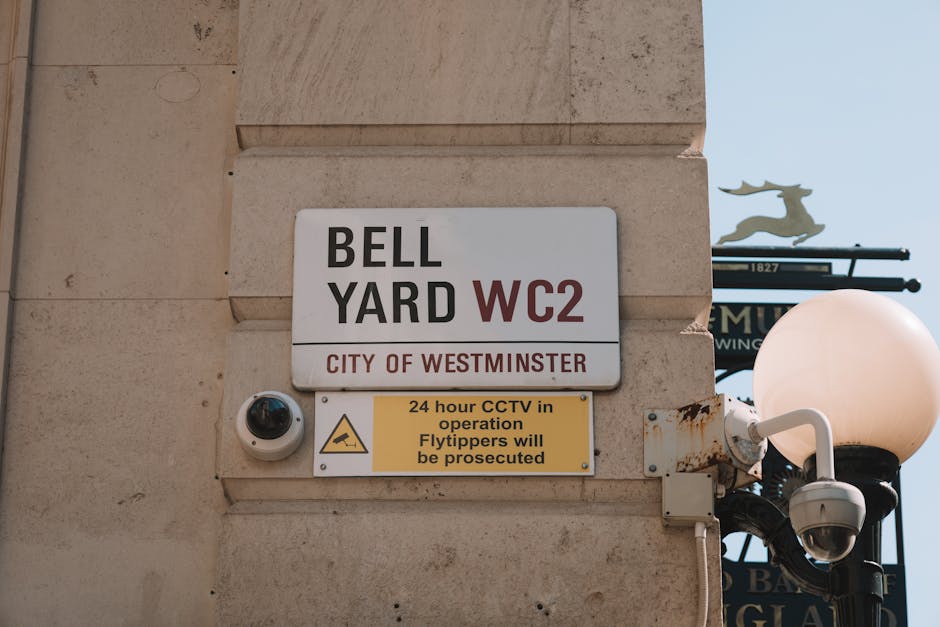
If you are moving in or out of Mayfair, the paperwork can feel more stressful than the boxes. Between narrow streets, busy loading bays, resident parking rules, and the need to keep neighbours, porters, and traffic wardens happy, Westminster Council permits for Mayfair removal vehicles are often the bit that decides whether moving day runs smoothly or turns into an expensive mess.
This guide breaks it down in plain English. You will learn why permits matter, how they usually work, who needs them, what to check before the van arrives, and the mistakes that catch people out at the worst possible moment. We will also look at practical planning tips for flats, houses, and office moves in central London, plus the kinds of service choices that help reduce the risk of delays. Truth be told, in Mayfair the difference between a tidy move and a frazzled one is often in the details.
- Why Westminster Council permits for Mayfair removal vehicles Matters
- How Westminster Council permits for Mayfair removal vehicles Works
- Key Benefits and Practical Advantages
- Who This Is For and When It Makes Sense
- Step-by-Step Guidance
- Expert Tips for Better Results
- Common Mistakes to Avoid
- Tools, Resources and Recommendations
- Law, Compliance, Standards, or Best Practice
- Options, Methods, or Comparison Table
- Case Study or Real-World Example
- Practical Checklist
- Conclusion
- Frequently Asked Questions
Why Westminster Council permits for Mayfair removal vehicles Matters
Mayfair is not the sort of place where you can assume a removal van will simply pull up outside, open the back, and get to work. Space is tight, road layouts are complicated, and a few minutes of poor planning can create knock-on problems fast. If a vehicle stops where it should not, or stays where it should not, the move can attract fines, complaints, or delays that ripple through the whole day.
The permit issue matters because removal vehicles are not the same as a quick family car unloading a suitcase. They may need access to controlled parking zones, loading areas, or timed stopping permissions depending on the exact location and the size of the vehicle. In Mayfair, that becomes even more relevant because many properties sit on streets with limited kerb space, private forecourts, concierge requirements, or peak-time traffic pressure.
There is also the human side. Your neighbours may be trying to leave for work. Deliveries may already be queued. Porters may have restricted lift windows. A well-planned move respects all of that. That's one of the reasons people often pair a move with professional support such as removals or a smaller vehicle option like man with van when the property access is awkward.
Key takeaway: In Mayfair, the permit question is not a box-ticking exercise. It is part of making sure the van can legally, safely, and efficiently do the job without turning the street into a problem.
How Westminster Council permits for Mayfair removal vehicles Works
In practice, the process usually begins with the moving date, the exact pickup or delivery address, and the type of vehicle that will be used. A small van, a long-wheelbase removal vehicle, and a larger lorry do not all face the same access issues. The property location, the street restrictions, and the expected loading time all matter.
Most people make the mistake of thinking only about the postcode. In reality, the exact kerbside conditions outside the building can be more important than the area name itself. One Mayfair street may have a loading bay close by; another may be awkward, tightly controlled, or heavily used at certain times. The practical question is simple: where will the vehicle stop, for how long, and under what rules?
Where a permit or permission is needed, the move must be planned around that requirement before anything is loaded. That means checking whether the stop is on a public road, whether parking suspensions apply, whether the building has a service entrance, and whether you need extra permissions for larger commercial vehicles. If you are arranging a bigger household move, a moving truck may offer more capacity, but it also brings more access and permit considerations.
For many moves, the most sensible approach is to work backwards from the street. First confirm the access. Then confirm the vehicle size. Then confirm the timing. Then book the move. It sounds obvious, but in central London plenty of people do it in the opposite order and end up scrambling later.
Key Benefits and Practical Advantages
Getting the permit side right brings more than legal peace of mind. It can genuinely improve the whole move.
- Less risk of disruption: The van is less likely to be forced to circle the block while the team carries boxes in the rain. Nobody enjoys that.
- Cleaner timing: If the vehicle can stop legally in the right place, loading and unloading usually goes faster.
- Better neighbour relations: A properly planned move is less noisy, less chaotic, and less intrusive.
- Fewer last-minute surprises: You are less exposed to avoidable fines, parking issues, or access conflicts.
- More suitable vehicle choice: Permits and access planning often help you decide whether you need a removal van, a smaller man and van setup, or a more substantial truck.
There is a commercial advantage too. If you are moving an office or business base in or near Mayfair, permit timing can affect staff downtime and customer service. In that case, looking at commercial moves or office removals alongside access planning is usually a smart move. Less drama, fewer delays. That is the goal.
And here's the slightly boring but honest bit: a move that looks more expensive on paper can be cheaper overall if it avoids wasted labour time. If a crew is standing around because the vehicle cannot legally stop, you are paying for inefficiency. Nobody wants that surprise.
Who This Is For and When It Makes Sense
This topic matters to quite a few people, not just large removals firms. In fact, Mayfair creates access questions for all sorts of moves.
- Homeowners and tenants: Especially if you are moving from a mansion flat, townhouse, or serviced apartment.
- Landlords and agents: Useful when arranging tenant check-outs or swift re-lets.
- Businesses: Shops, offices, consultancies, galleries, and private practices often need precise loading arrangements.
- Students or short-stay residents: Smaller moves still need the right vehicle and the right stopping point.
- Specialist item moves: Pianos, bulky furniture, and fragile pieces can require more time and space.
If your move is in a flat with stair access, limited lift availability, or a strict building timetable, permit planning becomes even more useful. In those cases, services such as flat removals or house removals are often a better fit than trying to piece everything together yourself.
It also makes sense if you are short on time. A same-day decision and a highly restricted street do not mix well, to be fair. If timing is tight, you may need to look at same day removals, but even then the access plan should come first, not as an afterthought.
Step-by-Step Guidance
Here is a practical way to handle Westminster Council permits for Mayfair removal vehicles without overcomplicating things.
- Confirm the exact address and access point. Check whether the vehicle will load from the front, rear, courtyard, or a side entrance. A porter's route can be very different from the street entrance.
- Identify the vehicle type. Small van, luton van, removal truck, or something else? The vehicle size changes the access picture immediately.
- Assess how long loading will take. A one-bedroom flat with minimal furniture is one thing. A full household with stairs, delicate items, and packaging is another.
- Check if the building has its own rules. Many Mayfair buildings have timed lift bookings, concierge procedures, or delivery restrictions. Missing these can cause a bottleneck even if the street itself is fine.
- Plan around parking and stopping restrictions. If the area is subject to controlled parking or loading rules, factor that in early.
- Book packaging support if needed. Proper packing can reduce dwell time. Services like packing and boxes or packing and unpacking services can save a lot of faff on moving day.
- Allow a buffer. Traffic, lift delays, or weather can all stretch a schedule. In central London, five spare minutes can feel like gold.
- Keep documents and contacts handy. Have confirmation of your booking, building contact details, and any parking or access instructions in one place.
For larger jobs, it is often worth asking whether a removal truck hire arrangement is more efficient than making multiple smaller trips. Sometimes it is. Sometimes it really isn't. The right answer depends on the street, the volume, and how much parking flexibility you have.
Expert Tips for Better Results
After many moves, one thing stands out: the best outcomes come from matching the vehicle to the building, not the other way round. Sounds simple. It rarely is.
- Use the smallest practical vehicle. In Mayfair, space is precious. If a smaller van can do the job in one well-organised trip, that may be better than forcing a larger vehicle into a tighter space.
- Front-load the awkward items. Heavy mirrors, dining tables, or fragile pieces should be planned first so the team knows what needs careful handling.
- Coordinate with concierge staff early. A quick call can prevent a lot of waiting around at the kerb.
- Keep the van easy to load. Label boxes clearly. Put essentials at the end. It sounds tiny, but it matters when time is short.
- Build in weather tolerance. London drizzle, a bit of wind, wet pavements. Not dramatic, just annoying enough to slow the job.
If you are moving valuable or heavy items, use specialist support rather than improvising. For example, a piano or a large antique cabinet needs more than enthusiasm and a couple of blankets. It needs planning, protection, and the right handling approach. That is where piano removals or furniture removals can make a real difference.
And one more thing: if you are comparing providers, ask how they handle access planning, not just how much they charge. A decent company should be able to talk through street constraints without sounding vague. If they dodge the question, that tells you something.
Common Mistakes to Avoid
Most permit-related moving problems are avoidable. The usual culprits are not fancy, just rushed.
- Assuming the van can stop anywhere: In central London, that assumption is often expensive.
- Leaving permit planning until the day before: Then you are dealing with deadlines, traffic, and anxiety all at once.
- Forgetting building restrictions: Some moves fail not because of the council rules, but because the lift booking was missed or the concierge was not informed.
- Choosing the wrong vehicle size: Too big causes access problems. Too small creates extra journeys. Neither is ideal.
- Underestimating loading time: A move always takes longer once stairs, wrappers, packaging, and awkward furniture are involved.
- Not planning for storage: If completion, handover, or refurbishment timing shifts, you may need a short-term holding solution.
That last one catches people out a lot. If keys are delayed or access windows do not line up, you may need a buffer. A short stint in storage can turn a tense day into a manageable one.
Another easy mistake is assuming all "removals" are basically the same. They are not. A student move, a family house move, and a commercial relocation each have different time pressure, vehicle needs, and access headaches. No surprise there, really.
Tools, Resources and Recommendations
You do not need a complicated toolkit, but a few practical items and habits help enormously.
- Room-by-room inventory: Helps you estimate van size and loading order.
- Floor plan or access notes: Useful for awkward buildings, basement flats, or shared entrances.
- Labels and markers: Not glamorous, but extremely useful when everything is stacked together.
- Protective wrap and covers: Especially for furniture, framed art, and polished surfaces.
- Contact list: Keep the building manager, mover, and main contact on one short list.
If you want a smoother all-round move, it helps to choose a service that fits your load and your pace. A man with a van setup can suit smaller moves or quick turnarounds, while a bigger household job may be better handled through house removalists or a fuller removal services package. For office jobs, office relocation services can be a better fit than a generic transport booking.
There is also value in checking company policies before you commit. Pages like insurance and safety, health and safety policy, and terms and conditions can tell you a lot about how carefully a provider works. Not the most exciting reading, I know, but useful.
Law, Compliance, Standards, or Best Practice
When discussing permits and vehicle access in Westminster, the safest approach is to treat local parking and stopping rules as something you must verify for your exact move, not something to guess. Council-controlled streets often have specific restrictions, and those restrictions can change by road, time of day, or loading purpose. If your move involves public highway space, it is prudent to confirm the correct permission route before booking the vehicle.
Best practice also means respecting highway users, residents, and building rules. That includes avoiding unnecessary idling, keeping loading areas clear, and making sure the team knows where to park, where not to park, and how long they can stay. If the move is in a conservation-heavy, high-density, or prestige residential setting like Mayfair, good manners matter just as much as good paperwork. Maybe more.
From a general compliance point of view, professional movers should also pay attention to safe lifting, secure loading, insurance cover, and fair handling of property. If you are comparing companies, it is sensible to look for clear information about these issues. For example, a provider that openly sets out its recycling and sustainability approach, plus insurance details, usually gives a better signal of operational care.
There is no advantage in being casual with access rules. The street might forgive you once. The ticket may not.
Options, Methods, or Comparison Table
Different vehicle and service choices suit different kinds of Mayfair moves. The table below is a practical comparison rather than a one-size-fits-all rulebook.
| Option | Best for | Strengths | Potential drawback |
|---|---|---|---|
| Small van / man with a van | Compact moves, light furniture, quick collections | Easier to position, often better for tight streets | Limited capacity, may need more than one trip |
| Standard removal van | Typical flat or house moves with moderate volume | Good balance of space and access flexibility | May still need careful planning in restricted streets |
| Removal truck | Larger family moves or business relocations | High capacity, fewer trips | Harder to place on narrow roads or near busy junctions |
| Full-service removals | Busy households, fragile items, time-sensitive moves | More support, easier coordination, less lifting stress | Higher overall cost than a basic transport-only option |
In a place like Mayfair, the "best" option is usually the one that reduces friction at the curb. That might mean a smaller vehicle with a precise time slot, or it might mean a bigger team with clearer handling support. There is no prize for bringing more vehicle than the street can comfortably take.
Case Study or Real-World Example
A realistic example: a couple moving from a top-floor flat near a busy Mayfair street into another property a few roads away. They initially wanted a large truck because they thought it would be quicker. On paper, that sounded efficient. In practice, the road access was tighter than expected, and the lift at the new building had a restricted booking window.
Once the move was re-planned, the team used a better-sized vehicle, split the loading order properly, and kept only the essentials on hand for the first trip. The result was calmer. Fewer stops. Less waiting. And crucially, nobody was standing outside with a sofa wondering why the street suddenly felt too small.
A second example comes from a small professional office with archive boxes, monitors, and a couple of heavy desks. The firm needed to keep disruption low because staff were working around the move. With clear access notes and the right service mix, they were able to coordinate a more controlled relocation rather than a scramble. That is exactly the sort of scenario where office removals and careful permit planning work hand in hand.
What these examples show is simple: the permit or access question is not separate from the move. It is part of the move. Get it right and everything else settles down a bit.
Practical Checklist
Use this checklist before moving day. It is simple, but it keeps people honest.
- Confirm the exact pickup and delivery addresses.
- Check the vehicle type and size against street access.
- Review any council parking or stopping restrictions that may apply.
- Ask the building whether there are lift booking or concierge rules.
- Estimate loading and unloading time realistically.
- Decide whether you need a van, truck, or full removal team.
- Pack fragile items properly and label boxes clearly.
- Keep building contacts and mover details in one place.
- Arrange storage if the timing between properties is uncertain.
- Double-check everything the day before. Then check it once more, just in case.
If the move is for a student, a one-bedroom flat, or a short-term let, a more compact service may be enough. For those jobs, student removals can be a practical fit. It all comes back to matching the tool to the task.
Get a free quote today and see how much you can save.
Conclusion
Westminster Council permits for Mayfair removal vehicles are really about control, timing, and common sense. Mayfair is a high-pressure area for access, so the moves that succeed are usually the ones that start with the street, not the sofa. Check the vehicle. Check the building rules. Check the stopping space. Then build the rest of the plan around that.
If you keep the process calm and methodical, even a tricky Mayfair move can feel manageable. Not easy, perhaps. But manageable. And sometimes that is enough. A little planning goes a long way, especially when the street outside is busy and the kettle is still in a box somewhere.
For a reliable, better-organised move in Mayfair, it also helps to choose a team that understands access planning, careful handling, and the realities of central London life. That kind of preparation tends to make the whole day feel lighter.
Frequently Asked Questions
Do I always need a permit for a removal vehicle in Mayfair?
Not always, but you should never assume you can stop freely. Whether a permit or special permission is needed depends on the exact street, the time of day, the vehicle type, and whether you are using public kerb space.
What is the main reason removal vehicles struggle in Mayfair?
Space. Narrow roads, parking controls, busy traffic, and building access rules all combine to make simple loading more complicated than people expect.
Can a small van avoid permit problems?
A smaller van can sometimes make access easier, but it does not automatically remove the need to check the rules. It still has to stop legally and safely.
How far in advance should I plan Westminster Council permits for Mayfair removal vehicles?
As early as possible. The more restricted the street and the larger the move, the earlier you should sort it. Leaving it to the last minute is where stress starts.
What if my building has a loading bay or service entrance?
That can help a lot, but you still need to check whether it is available for your date and whether it can accommodate the vehicle size and loading time.
Is a removal truck better than a man and van service?
It depends on the volume of belongings and the access at both ends. A truck is useful for bigger jobs, while a smaller service may suit tight Mayfair streets better.
What happens if the vehicle cannot stop outside the property?
You may need to park further away, wait for a legal space, or rethink the vehicle choice. That can increase time, cost, and frustration, so it is worth planning ahead.
Do office moves need the same kind of planning as home moves?
Yes, and sometimes more. Office relocations often involve time pressure, equipment, staff coordination, and restricted building access. A careful plan really helps.
Can storage help if the permit or access timing is uncertain?
Yes. Short-term storage can be a useful buffer if completion dates shift, access windows are tight, or the new property is not ready yet.
What should I ask a removals company about permits?
Ask how they handle access planning, vehicle size selection, timing, and any road restrictions. A solid provider should answer clearly and without waffle.
Are packing services worth it for a Mayfair move?
Often, yes. Good packing can shorten loading time, reduce breakage risk, and make the move feel more organised. It is especially helpful if access windows are limited.
What is the best first step if I'm overwhelmed?
Start with the address, the vehicle type, and the moving date. Those three details usually reveal the rest of the plan. Once that's clear, everything gets easier.
Where can I learn more about the company before booking?
You can review about us and then check the service information that matches your move. It is a sensible way to see whether the approach feels right for you.